
Health, Wellness, & Hygiene at workplaces – key pivots to a productive sustainable enterprise and ESG mission

Health, Wellness, & Hygiene at workplaces – key pivots to a productive sustainable enterprise and ESG mission As organizations repurpose their workplace strategies and plans as a part of their return to office (RTW) initiative, hygiene, health, and wellness remain the top priority for workplaces. In fact, in a recent LinkedIn RTW survey, more than 60% of the respondents voted in favour of hygiene, health & wellness as one of most important initiatives that they wish to see their employers focus on, if they were to come back to work. Over the past two years, in the back drop of the pandemic, there has been societal, institutional, and governmental focus manifested thru legislations, grants, fiscal allocations towards public health, hygiene, and wellness This in many ways has turned the spot light on health and wellness at workplaces including standards and benchmarks on sustainable and healthy buildings, as well as environments that promote Diversity, Equity, and Inclusion (DEI). Most organizations are taking action on these priorities by investing in ESG initiatives and goals. ESG (Environmental, Social, and Corporate Governance) is a way by which an organization can focus and measure the sustainability and societal impact of their investments. Instead of measuring an investment based on cost or financial impact alone, with ESG, overall health is measured by the balance of these three categories: How ESG, health wellness and hygiene objectives are inter related Amongst these ESG objectives, from an operational point of view, the Social and Governance aspects need microscopic attention, from a day-to-day operations perspective. Therefore, the need and demand for digital applications are most pronounced in these use cases, currently. Psychologists define thriving as a state of mind where people experience a combined sense of vitality and learning. When one thrives, they are able to grow rather than feel stalled. People who are able to experience a state of thriving are healthier, more resilient, and just better at focusing on their work. Helping people thrive at work is one of the fundamental tenets of ESG and Health and Wellness agenda of an enterprise. Health and Wellness majorly underpins the social aspect of the ESG, influencing responsible investors’ real estate decisions and shaping companies’ ESG strategies. Key SOCIAL enablers of a ESG framework Here are the three key elements of a spatial and work experience model that prioritizes wellness and resilience in the workplace. The model was modified from the Six Dimensions of Wellness developed by Bill Hettler, co-founder of the National Wellness Institute (NWI). Emotional wellness relies on smart zoning of the physical work environment backed up with evolved people practise framework Physical wellness relies on user experience on matters like indoor air quality, hygiene acoustics, lighting, thermal comfort, F&B services Environmental wellness benefits from the design and smart space in workplaces that highlights sustainability, resilience and social engagements at work Therefore, measuring, monitoring, analysing, baselining /reporting and remedying (as required) ‘enabling’ aspects to make employees or building occupants ‘thrive’ is one of the most critical success factors for any workplace administrator or an organization At Caleedo, we are reinventing the workplace hygiene agenda by helping organization digitize health and wellness quotient through real time data and business insights on the Indoor Air Hygiene. Workplaces are no longer just a place of work. The office is the melting pot for collaboration, leaning, innovation, co creation while setting career goals and professional aspirations. An inclusive workplace provides a sense of belonging. And it gives those who inhabit and occupy these spaces an ability to feel connected to a purpose — it’s a place to thrive. Subscribe to Our Newsletter Thank you for Signing Up Please correct the marked field(s) below.1,true,6,Contact Email,2 Thank you for Signing Up Please correct the marked field(s) below.1,true,6,Contact Email,2 Facebook Twitter Youtube Medium Twitter Instagram Spotify As organizations repurpose their workplace strategies and plans as a part of their return to office (RTW) initiative, hygiene, health, and wellness remain the top priority for workplaces. In fact, in a recent LinkedIn RTW survey, more than 60% of the respondents voted in favour of hygiene, health & wellness as one of most important initiatives that they wish to see their employers focus on, if they were to come back to work. Over the past two years, in the back drop of the pandemic, there has been societal, institutional, and governmental focus manifested thru legislations, grants, fiscal allocations towards public health, hygiene, and wellness This in many ways has turned the spot light on health and wellness at workplaces including standards and benchmarks on sustainable and healthy buildings, as well as environments that promote Diversity, Equity, and Inclusion (DEI). Most organizations are taking action on these priorities by investing in ESG initiatives and goals. ESG (Environmental, Social, and Corporate Governance) is a way by which an organization can focus and measure the sustainability and societal impact of their investments. Instead of measuring an investment based on cost or financial impact alone, with ESG, overall health is measured by the balance of these three categories: How ESG, health wellness and hygiene objectives are inter related Amongst these ESG objectives, from an operational point of view, the Social and Governance aspects need microscopic attention, from a day-to-day operations perspective. Therefore, the need and demand for digital applications are most pronounced in these use cases, currently. Psychologists define thriving as a state of mind where people experience a combined sense of vitality and learning. When one thrives, they are able to grow rather than feel stalled. People who are able to experience a state of thriving are healthier, more resilient, and just better at focusing on their work. Helping people thrive at work is one of the fundamental tenets of ESG and Health and Wellness agenda of an enterprise. Health and Wellness majorly underpins the social aspect of the ESG, influencing responsible investors’ real estate decisions and shaping companies’ ESG strategies. Key SOCIAL enablers of a ESG framework Here are the three key elements of a spatial and work experience model that prioritizes wellness and resilience in the workplace. The model was modified from the Six Dimensions of Wellness developed by
How to achieve sustainable Indoor Air Quality?
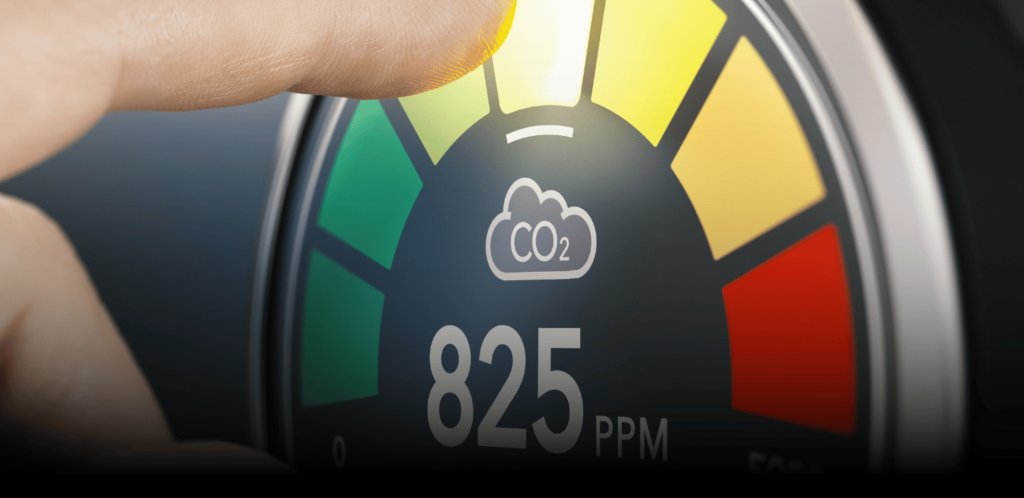
How to achieve sustainable Indoor Air Quality? The FM industry is facing the challenge of ensuring better IAQ levels for building occupants while optimizing energy costs and aim to achieve net-zero carbon emission for ensuring environment sustainability (ESG agenda). To address this challenge and to help organizations in achieving the goal of “sustainable IAQ”, enVerid Systems Inc released a white paper suggesting a “Clean First” approach – a 4 step roadmap for achieving sustainable IAQ for buildings. BACKGROUND The white paper has been published in August 2022 by “enVerid Systems Inc” – solutions provider for sustainable IAQ. To download a pdf copy of the white paper, please visit: https://enverid.com/resources/learning/how-to-achieve-sustainable-indoor-air-quality-a-roadmap-to-simultaneously-improving-indoor-air-quality-meeting-building-decarbonization-and-climate-resiliency-goals/ ABSTRACT The FM industry is facing the challenge of ensuring better IAQ levels for building occupants while optimizing energy costs and aim to achieve net-zero carbon emission for ensuring environment sustainability (ESG agenda). To address this challenge and to achieve the goal of “sustainable IAQ”, the white paper has suggested a “Clean First” approach (illustration below) – a 4 step roadmap for achieving sustainable IAQ for buildings. Credits: enVerid white paper on “How to achieve sustainable indoor air quality” The above framework includes the following steps/elements that building managers (organizations) can follow to attain the goal of sustainable IAQ: Defining IAQ goals – organizations should define their IAQ goals based on IAQ performance standards like LEED, ASHRAE, RESET, UL etc. Clean IAQ – selecting air cleaning technologies for cleansing recirculated air. For example – using air filters/purifiers etc. Optimizing building ventilation – determining how much outside air is needed to supplement the cleaned indoor air (in step 2) to comply with and achieve the IAQ goals (in step 1). Monitor and control IAQ – monitoring IAQ for assurance and use controls (automatic or semi-manual) to adjust air cleaning (adjust filtration levels) and ventilation levels (adjusting supply of outside air). WHY DO WE NEED A FRAMEWORK FOR SUSTAINABLE IAQ The framework has been designed to provide a pathway for building managers to improve IAQ for health and wellness of building occupants while ensuring energy optimization and decarbonizing buildings. As suggested in enVerid white paper, for new upcoming buildings, organizations should start with defining IAQ goals (step 1) for attaining sustainable IAQ mission however, for existing buildings, we should start with monitoring IAQ (step 4) to baseline existing IAQ performance and then plan their IAQ goals (step 1) and proceed with other steps. University of Miami Case Study The white paper also includes the extracts from a case study made by University of Miami on achieving sustainable IAQ goals at UHealth Fitness and Wellness Center. In UHealth Fitness and Wellness Center, higher concentrations of CO2 and VOCs were observed due to higher occupancy and emissions from fitness mats inside the gyms, respectively. University of Miami suggested using more outside air ventilation to improve IAQ, but more outside air made it difficult for existing HVAC systems to maintain a comfortable indoor temperature and humidity levels. Also, this added to more PM levels coming into the building and higher utility costs. University of Miami then decided to use a Clean First approach to achieve Sustainable IAQ. The University of Miami started by supplementing existing particulate filters with a sorbent-based air cleaning system for removing gaseous contaminants (Step 2) and then recalculating the required outside air volumes accounting for the efficiency of the air cleaning systems (Step 3). The National Renewable Energy Lab (NREL) performed independent measurement and verification of energy savings and IAQ (Step 4). As a result of this, the University of Miami was able to replace 75% of outside air with cleaned indoor air in compliance with the IAQ procedure (IAQP) within ASHRAE standard 62.1. This resulted in a 36% reduction in total HVAC energy consumption and a 41% reduction of HVAC peak demand while providing the desired IAQ improvement. Refer below chart for energy consumption chart for uHealth Fitness Center: Credits: enVerid white paper on “How to achieve sustainable indoor air quality” Refer chart below for impact of IAQ pollutants in uHealth Fitness Center Credits: enVerid white paper on “How to achieve sustainable indoor air quality” The 4 steps of the clean first approach are as under: STEP 1: DEFINE IAQ GOALS The benefits of defining and setting IAQ goals would benefit organizations to ensure more satisfied occupants as most of these standards mandate informing occupants on the IAQ standards of the building/workplace. As per a study by Honeywell, 72% of office workers worldwide worry about air quality in their building/offices. The study also found that 9 out of 10 respondents want to be kept informed on their building’s IAQ, yet only 1.5 out 10 (15%) were receiving actual updates. The white paper suggests 5 IAQ standards that organizations can consider: ASHRAE, LEED, WELL, RESET, and UL. STEP 2: DEFINE IAQ GOALS The white paper recommends using sorbent filters that address the full range of gaseous contaminants as defined by ASHRAE 62.1, with third-party verified efficiencies based on ASHRAE standard 145.2 or other nationally recognized test methods. STEP 3: OPTIMIZE VENTILATION In the 3rd step of the framework, it is recommended that building managers should determine how much outside air is needed to supplement the cleaned indoor air to comply with the IAQ targets and goals set by the organization in step 1. The white paper recommends to combine layered air cleaning technologies with optimized ventilation rates using ASHRAE’s IAQ procedure to achieve IAQ targets in a cost-effective manner. STEP 4: Validate, Monitor and Control IAQ The final step in the framework is to validate the IAQ design, continuously monitor IAQ for assurance, and use controls to adjust air cleaning and ventilation for maximum efficiency and climate resilience. It is recommended to have periodic and continuous monitoring of IAQ as a best practice. Below is a chart of the recommendations made in the white paper for monitoring and controlling IAQ in workplaces: Field Validation: Using hand-held devices to do periodic testing of certain IAQ parameters (IAQ audit vendors that can do lab-testing
Why traditional IWMS needs to be re-invented in the light of COVID-19?

Why traditional IWMS needs to be re-invented in the light of COVID-19? The first generation of software for facility management were known as Computer-Aided Facility Management (CAFM) or Facility Management Information Systems (FMIS). In 1980’s CAFM seemed ‘smart’ as integration back then meant one central database connected to other smaller modules and all these modules made use of the central database. Integration of processes, with other systems or even buildings, was way beyond anyone’s imagination. But, as facilities at workplaces became more sophisticated and facilities management broadened to include duties associated with business operations, responsibilities that once belonged to separate departments begin to merge under facilities department. In other words, the scope of facilities management was changing—and quickly. This proved to be the catalyst for the evolution of CAFM into IWMS. Today, IWMS systems are responsible for much broader aspects of management. Moreover, IWMS systems can be integrated with other systems, if necessary, to increase overall functionality. However, organizations are now facing new challenges due to COVID-19 where traditional IWMS solutions are not the answer. A global survey of executives, employee experience experts, and knowledge workers done by CISCO sponsored dimensional research indicates that most employees will be working a significant portion of their time from home from now on. At the same time, employees will still return to offices and businesses need to make numerous changes in the workplace to facilitate a safe return. Solutions will be needed that reduce the need to touch high-use items and that measure and communicate cleanliness, social distancing, meeting room, and desk usability. According to Verdantix 2020 survey with 250 facilities executives, 47% of firms have accelerated their digitization programs because of the COVID-19 pandemic. We expect the following trends to dominate the digitization initiatives at workplaces in the next 18-24 months. A. Use technology to facilitate compliance with the changing health and safety protocols at workplace: IoT and AI enabled technologies would facilitate data collection, aggregation and analysis of air and surface hygiene, trends, and performance at workplaces. Surface cleaning and air hygiene management standards would be critical KPIs in workplace performance criteria for all administrators and FM service providers. This would help employees to be informed on health and hygiene levels and build trust and confidence for them to use their workplace more often, going forward. B. Repurpose workplace and space management: New IWMS playbook offers solutions aimed at COVID-19 and the return to work, including contact tracing, way finding and space planning. Indoor mapping solutions will elevate employee experience and accelerate workplace digitization efforts and space rationalization programs. These software’s help workplace administrators to monitor current occupancy against set capacity limits and establish automated workflows in response to high-traffic areas. Furthermore, managers can analyse the data using AI to detect data anomalies and predict when areas are likely to be highly populated. The way finding web app helps employees interact with their space more intuitively, navigate safe routes around their workplace, and find spaces or co-workers. IoT/IoRT enabled applications would drive the evolution of next level of IWMS in the coming years. Expect IWMS to be more versatile, intuitive, and automated/connected with infrastructure and humans than ever before. The future IWMS is like a catalyst to deliver superior and advanced workplace business insights and predictable impact in a way people interact and collaborate in the repurposed workplaces. Subscribe to Our Newsletter Thank you for Signing Up Please correct the marked field(s) below.1,true,6,Contact Email,2 Thank you for Signing Up Please correct the marked field(s) below.1,true,6,Contact Email,2 Facebook Twitter Youtube Medium Twitter Instagram Spotify The first generation of software for facility management were known as Computer-Aided Facility Management (CAFM) or Facility Management Information Systems (FMIS). In 1980’s CAFM seemed ‘smart’ as integration back then meant one central database connected to other smaller modules and all these modules made use of the central database. Integration of processes, with other systems or even buildings, was way beyond anyone’s imagination. But, as facilities at workplaces became more sophisticated and facilities management broadened to include duties associated with business operations, responsibilities that once belonged to separate departments begin to merge under facilities department. In other words, the scope of facilities management was changing—and quickly. This proved to be the catalyst for the evolution of CAFM into IWMS. Today, IWMS systems are responsible for much broader aspects of management. Moreover, IWMS systems can be integrated with other systems, if necessary, to increase overall functionality. However, organizations are now facing new challenges due to COVID-19 where traditional IWMS solutions are not the answer. A global survey of executives, employee experience experts, and knowledge workers done by CISCO sponsored dimensional research indicates that most employees will be working a significant portion of their time from home from now on. At the same time, employees will still return to offices and businesses need to make numerous changes in the workplace to facilitate a safe return. Solutions will be needed that reduce the need to touch high-use items and that measure and communicate cleanliness, social distancing, meeting room, and desk usability. According to Verdantix 2020 survey with 250 facilities executives, 47% of firms have accelerated their digitization programs because of the COVID-19 pandemic. We expect the following trends to dominate the digitization initiatives at workplaces in the next 18-24 months. A. Use technology to facilitate compliance with the changing health and safety protocols at workplace: IoT and AI enabled technologies would facilitate data collection, aggregation and analysis of air and surface hygiene, trends, and performance at workplaces. Surface cleaning and air hygiene management standards would be critical KPIs in workplace performance criteria for all administrators and FM service providers. This would help employees to be informed on health and hygiene levels and build trust and confidence for them to use their workplace more often, going forward. B. Repurpose workplace and space management: New IWMS playbook offers solutions aimed at COVID-19 and the return to work, including contact tracing, way finding and space planning. Indoor mapping solutions will elevate employee experience and accelerate workplace digitization efforts
Importance of measuring, monitoring, and managing indoor air quality in all public buildings
Importance of measuring, monitoring, and managing indoor air quality in all public buildings Indoor air hygiene- the new ‘risk’ marker The outbreak of COVID-19 has highlighted the importance of Indoor Air Quality (IAQ) as it is now established by the medical fraternity and researchers that there is high transmissibility of this virus in indoor areas and this happens through air-borne droplets. SARS-CoV-2 virus mainly spreads via respiratory droplets which are released when an infected person coughs or sneezes. Such droplets can remain suspended in form of an aerosol (as studies show) which can remain airborne for a long duration and can travel in certain cases up to 30 feet, unlike what was assessed earlier. Health authorities have singled out indoor areas like workplaces, auditoriums, halls/rooms, shopping malls, retail outlets, hotels, restaurants, etc. with poor ventilation as potential COVID-19 infection hotspots. As per multiple research findings, amongst many constituents of indoor air, particulate matters (PM2.5 & PM10) and Carbon Dioxide play a significant role in enhancing the infection risk to occupants in indoor space. Additionally, other toxic gases such as volatile organic compounds (VOCs) that are commonly found in workplaces, shopping areas, auditoriums, restaurants, and hotels have a serious health impact on the occupants and could dull cognitive abilities of the occupants as studies have established. (Source: HARVARD T.H CHAN, School of Public Health) THE SCIENCE BEHIND THE RISK — ROOT CAUSE World Health Organization (WHO) has mentioned in a report (WHO EPI March 2020) that respiratory droplet transmission of COVID-19 can occur when a person is in close contact with an infected person. In an indoor office environment, a symptomatic occupant can exhale viruses in the form of aerosols along with CO2. These virus-laden aerosols can easily accumulate at places of circulation like lifts, lobbies, staircases, etc. Other occupants can be easily infected by inhaling these virus-laden aerosols. THE REMEDY Practicing Indoor Air Quality measurement, monitoring, and validation ASHRAE recommends Carbon dioxide (CO2) monitoring as a reference indicator of the adequacy of ventilation systems. Since carbon dioxide is produced by human respiration, the amount of carbon dioxide can be easily used as an indicator to determine the adequacy of fresh air ventilation in an indoor environment. Studies as mentioned earlier also infer that the level of particulate matters (PM) in indoor environment is also a potential marker for aerosol transmission. Therefore, Monitoring of PM 2.5 & PM 10 through periodic measurements, analyzing the trends of these parameters in the most frequented areas like reception, auditorium, cafeteria, pantry, washrooms etc. will likewise lead to measures that can help in controlling these particulate matters. Consequently, measurement, monitoring, and trend analysis of these key IAQ parameters like temperature, humidity CO2, and PPM (2.5 &10) by handheld/mobile AQI sensors (over and above the measurements recorded thru the Building Management System) at random spots. Where the IAQ/ BMS sensors are not located, will actually be the pointers to the efficacy of the installed sensors of the BAS and therefore can act as re-calibration audit support other than broad basing the IAQ measurements beyond the fixed areas. In conclusion It is therefore recommended that the measurement, monitoring, and the validation of the CO2, PM10, PM2.5, Temp., and Humidity levels in the indoor environment of any commercial or public facility/building should now become an intrinsic part of its Planned Preventive Maintenance (PPM) activity in light of the new health and hygiene regime as recommended by leading institutions and public health experts. Thus managing safe and secure Indoor Air Quality begins with IAQ measurement and monitoring. Sources: Wolfgang Schade 1,2,* , Vladislav Reimer 1,2, Martin Seipenbusch 3 and Ulrike Willer 2 ation: Schade, W.; Reimer, V.; Seipenbusch, M.; Willer, U. Experimental Investigation of Aerosol and CO2 Dispersion for Evaluation of COVID-19 Infection Risk in a Concert Hall. Int. J. Environ. Res. Public Health 2021, 18, 3037. https://doi.org/ and Exhaled CO2 as COVID-19 infection risk proxy for different indoor environments and activities Authors: Z. Peng1 , J. L. Jimenez1*. Affiliations: 1Cooperative Institute for Research in Environmental Sciences and Department of Chemistry, University of Colorado, Boulder, Colorado 80309, USA. Subscribe to Our Newsletter Thank you for Signing Up Please correct the marked field(s) below.1,true,6,Contact Email,2 Thank you for Signing Up Please correct the marked field(s) below.1,true,6,Contact Email,2 Facebook Twitter Youtube Medium Twitter Instagram Spotify Indoor air hygiene- the new ‘risk’ marker The outbreak of COVID-19 has highlighted the importance of Indoor Air Quality (IAQ) as it is now established by the medical fraternity and researchers that there is high transmissibility of this virus in indoor areas and this happens through air-borne droplets. SARS-CoV-2 virus mainly spreads via respiratory droplets which are released when an infected person coughs or sneezes. Such droplets can remain suspended in form of an aerosol (as studies show) which can remain airborne for a long duration and can travel in certain cases up to 30 feet, unlike what was assessed earlier. Health authorities have singled out indoor areas like workplaces, auditoriums, halls/rooms, shopping malls, retail outlets, hotels, restaurants, etc. with poor ventilation as potential COVID-19 infection hotspots. As per multiple research findings, amongst many constituents of indoor air, particulate matters (PM2.5 & PM10) and Carbon Dioxide play a significant role in enhancing the infection risk to occupants in indoor space. Additionally, other toxic gases such as volatile organic compounds (VOCs) that are commonly found in workplaces, shopping areas, auditoriums, restaurants, and hotels have a serious health impact on the occupants and could dull cognitive abilities of the occupants as studies have established. (Source: HARVARD T.H CHAN, School of Public Health) THE SCIENCE BEHIND THE RISK — ROOT CAUSE World Health Organization (WHO) has mentioned in a report (WHO EPI March 2020) that respiratory droplet transmission of COVID-19 can occur when a person is in close contact with an infected person. In an indoor office environment, a symptomatic occupant can exhale viruses in the form of aerosols along with CO2. These virus-laden aerosols can easily accumulate at places of circulation like lifts, lobbies, staircases, etc. Other occupants
The future of workplaces and emergence of workplace technology

The future of workplaces and emergence of workplace technology Researchers and technology pundits are forecasting that human-controlled functions would progressively reduce in the coming 10years and give way to autonomous and platform enabled services in most spheres of B2B services. The global pandemic has significantly accelerated innovation and technology adoption in the workplace sector. Workplaces are transforming at the back of these technologies to support future work formats. According to an article published by Deloitte “The digital workplace is more measurable and manageable”. Transforming the digital infrastructure of a workplace can help in gaining insights on workplace productivity, availability and user experience, real-time. Smart infrastructures that can identify patterns, nudge positive employee behaviours, and fine-tune service and support performance at workplace. Emerging trends shaping the future of workplaces 1. Workplace hygiene &wellness The outlook of a post-pandemic workplace will be to ensure employee wellness & maintain strict hygiene standards. Simultaneously, office services would progressively be digitally managed and orchestrated. All this would be to ensure that the employees can have a great experience at work and the workplace solutions help them to be productive, while the services remain effective and truly on demand. Overall, the digital applications would foster a near contactless experience, high user experience and efficient collaboration keeping hygiene & wellness as the underpinning objective. 2. Hybrid work & Gig employment Globally, due to the pandemic the work from home (WFH) phenomena gained tremendous recognition as the organizations decide their return to work strategy, work from home would continue for some employees in a business while hybrid working and work-from-anywhere are seen to be the other emerging & widely accepted work formats. Simultaneously, gig working was gaining prominence and it is expected that gig working would gain further momentum. WFH, hybrid working and gig employment therefore, present a significantly different operating challenge in the workplace of the future. According to a survey, 72.2% want a hybrid remote-office model. Hybrid culture allows for structure and sociability (at an office) while offering independence and flexibility (at home). To support these, the workplace needs to be flexible, available & facilitate collaboration which is unlike how most workplaces are designed today. While space planning & layout at most workplaces is expected to undergo significant changes progressively. This could lead to organizations working with different real-estate formats like Hub & Spoke model. 3. Digitization – Technological advancement We are using mobile applications in all spheres of our life, be it business transactions, social interactions, e-commerce or baking and payments. Mobile and cloud computing are the key pivots which are also accelerating adoption of digital applications at the workplaces. With enhanced data security protocol, many organizations have moved their strategic applications on the cloud. And the trend seems to be gaining significant momentum as the world navigates the pandemic. As the workplaces get repurposed to support hybrid and other emergent work formats, digital technologies are facilitating organizations to migrate their organizational processes to the new ‘normal’, at scale. Technology is aiding organizations, employees, workplaces and other stakeholders to be high levels of flexibility, adaptability and real time of collaboration which was never experienced in the past. The future workplace is going to be agile, experiential and offer countless opportunities… 4. The dispersed workforce A significant percentage of employees have moved back to their hometowns and are working from home since the break out of the pandemic. The pressure of virtual meetings, increased screen time and lack of socializing has begun to affect the employees. In the coming months, as the pandemic eases and people get vaccinated; we expect that organizations will start calling their employees to the workplace either on a regular basis or for a few days following a hybrid work strategy, or people who don’t want to come to the office will operate from a co-working space near their homes/hometowns. Moving forward with the return-to-work strategy, organizations need to focus on flexibility over location and hours of work that underpins a modern agile workplace. Working from the office, gives employees a sense of community that in turn fosters engagement and encourages collaboration between different teams. Studies suggest that when the option to communicate face to face is removed, overall communication levels decrease drastically. 5. Space planning and management The pandemic has sparked enormous changes in the work formats – accelerating trends in remote work, digital interactions, transactions and workflow automation in certain other cases. This is leading to a shift where certain organizations have and are moving to hybrid work while others are contemplating and reviewing its efficacy in their own environment. When employees return to work, keeping them safe at the workplace means re-imagining & re-orienting the space and office layout, seat arrangement, and the occupancy patterns at the workplace. The dimensions of space and place together, constitute the workplace. When employees come to office, they’d like to collaborate, socialize & interact; the organization and the workplace administrators would have to reconfigure the meeting rooms and their usage norms so that social distancing, contact tracing & meeting room availability is far more seamless when employees come to work. As workplaces would be occupied partially, space administration and space efficiency management would become far more strategic, and would become a key business imperative & a strategic insight for the organization. In the coming years, the ‘repurposed’ workplace would leverage technology and digital applications and deliver agility, improved collaboration, higher service efficiency and superior employee experience at work. This in turn would bolster employee productivity and morale and better employer equity, as per multiple research reports. More in our upcoming blog… Subscribe to Our Newsletter Thank you for Signing Up Please correct the marked field(s) below.1,true,6,Contact Email,2 Thank you for Signing Up Please correct the marked field(s) below.1,true,6,Contact Email,2 Facebook Twitter Youtube Medium Twitter Instagram Spotify Researchers and technology pundits are forecasting that human-controlled functions would progressively reduce in the coming 10years and give way to autonomous and platform enabled services in most spheres of B2B services. The global pandemic has significantly
The future of workplaces

The future of workplaces Re-purposing workplaces with digital technology As organizations continue to respond to the crisis and decide on a Return to work strategy for their employees, keep in mind the new workplace trends driving the new workplace. How can organizations address the new workplace trends? To facilitate the new workplace trends, technology would play an important role in a seamless migration. Some new workplace use cases that we foresee gaining momentum would be; 1. Employee experience and Health & Wellness In the new normal, workplaces would be designed to trigger positive emotions and lasting experience for the employees when they come to work. Therefore, we foresee organizations would have higher employee engagements through virtual platforms with their teams at work and seek feedback. Using the power of business intelligence, data science, and digital platforms would enable organizations to have cognitive reports on employee experience and their perception of the organization at periodic intervals. In this context, we foresee employee health & wellness, playing n important role in shaping positive experiences & emotions towards the workplace. In response to this, progressive organizations have started to focus on air & surface hygiene standards at the workplace. Consequently, workplace administrators would now be keen to review air & surface hygiene standards at periodic intervals to ensure the wellness and health agenda of their employees. Air & surface hygiene standards would be pushed further. We see digital technologies playing a role in facilitating this use case by creating hygiene dashboards for public views. With digitization, hygiene standards would evolve based on workplace patterns and a regional or global certification process would gain endorsement. In our opinion, this would gain further impetus as consumer groups are pressing hard for legislation on indoor air quality standards which in turn can accelerate adoption levels of air & hygiene measurements at workplaces. 2. Immersive and Agile workplace Workplaces would converge and would provide an immersive platform both in the virtual & real environment. This would foster collaboration within the workplace and from the outside, which would start off with mobile devices playing the role of an anchor. This in our opinion, would give a two-way engagement of improved connection in a near virtual environment for people working at the workplace with their colleagues who are at a remote location or vice versa. Audio-Video interfaces, collaboration, and management tools are going to facilitate space management, service coordination, demand-based activities, traceability of data & assets, and several new digital use cases which would transform the work & workplaces and would have an infinite impact on people and the way they do business. 3. Collaboration With hybrid & new work-formats gaining significant acceptance and workplaces being re-purposed; the issue of people collaboration is now becoming a critical agenda and key priority for most organizations. Collaboration is critical in the new-normal as people would interact on virtual platforms and in many cases not as often as earlier. While this offers significant flexibility for the employees, the organizations are keen that the workplace & the work processes are agile, real-time, and are digitally enabled to foster seamless collaboration, coordination amongst all stakeholders of the business. A survey by Forbes Insights found out that the digital workspace employees reported a significantly greater impact on productivity (63%) than on accomplishing more in a typical workday (38%), with the help of business applications. Take a real-life example; Imagine, before you start your day at the workplace; you get a notification stating that your work desk is cleaned, sanitized, and ready for you, your morning coffee is booked with the cafeteria, and meeting rooms are already booked with the necessary IT requirements. You have your schedule on your mobile and when you reach the office, you can just begin your day without wasting your time on such tedious tasks! Automation will not only help in improving the efficiency of an employee but also figure out how your service team is performing, enhancing collaboration between various functions of a business, and build a more transparent culture. Keeping people, processes, assets, and operations together to keep pace with the workplace of the future would drive investment and operation strategies of all organizations in the next 6 quarters. The workplace of the future will be different across all organizations and technology and digital applications are going to play a significant role in transforming the workplaces of today to the workplaces of the future. One couldn’t have seen a more exciting time in the workplace tech environment than this! Subscribe to Our Newsletter Thank you for Signing Up Please correct the marked field(s) below.1,true,6,Contact Email,2 Thank you for Signing Up Please correct the marked field(s) below.1,true,6,Contact Email,2 Facebook Twitter Youtube Medium Twitter Instagram Spotify Re-purposing workplaces with digital technology As organizations continue to respond to the crisis and decide on a Return to work strategy for their employees, keep in mind the new workplace trends driving the new workplace. How can organizations address the new workplace trends? To facilitate the new workplace trends, technology would play an important role in a seamless migration. Some new workplace use cases that we foresee gaining momentum would be; 1. Employee experience and Health & Wellness In the new normal, workplaces would be designed to trigger positive emotions and lasting experience for the employees when they come to work. Therefore, we foresee organizations would have higher employee engagements through virtual platforms with their teams at work and seek feedback. Using the power of business intelligence, data science, and digital platforms would enable organizations to have cognitive reports on employee experience and their perception of the organization at periodic intervals. In this context, we foresee employee health & wellness, playing n important role in shaping positive experiences & emotions towards the workplace. In response to this, progressive organizations have started to focus on air & surface hygiene standards at the workplace. Consequently, workplace administrators would now be keen to review air & surface hygiene standards at periodic intervals to ensure the wellness and health agenda of their employees. Air
Rebooting employee experience and engagement in this new world of hybrid workplaces

Rebooting employee experience and engagement in this new world of hybrid workplaces The pandemic has repurposed work, workplaces, and work formats. Hybrid work has become the new normal for most organizations. While hybrid work provides flexibility to employees, it can pose challenges for organizations to engage employees, enhance their experience, and most importantly uphold the organizational culture in this new scenario. It is in this context, we at Caleedo organized a webinar with two industry veterans Ms. Reshmi Shankar, General Manager and Head, Facilities Management Group India and Bangladesh for Wipro Limited, and Mr. Sadanandan C Thondieri, Vice President – Corporate Services, BCM & CSR for Tata Communications, to get their perspectives and opinion on how employee experience and engagement can be rebooted in this new world of hybrid workplaces. Here’s the key extract of our discussion with them: Caleedo Talks: In your opinion what are the key attributes that characterize a hybrid workplace specific to the Indian business context and a few workplace strategies that organizations need to adopt to usher in the whole hybrid working culture? Ms. Shankar: The real-life problems that we used to face have now been replaced by virtual problems. The most important key is flexibility, which now has been accelerated with the outbreak of COVID. In my view, hybrid is not really anything new. We have always had virtual meetings and technology has always enabled collaboration during virtual meetings. But the scale that we are now working virtually is making this a very unique and novel situation. The key to a successful hybrid model would be flexibility and technology would support this flexibility so that we have a choice-based mechanism where we can decide when, how, and from where we want to work. Another interesting aspect would be digital risk and security so that we are protected as an organization and not be exposed to any kind of cyber security risk. Migrating to a hybrid workplace would involve understanding what your employees require and are looking for, and the kind of customization that suites your organization and community. Because community and collaboration are probably the foundation of culture. Building a company culture by providing that sense of community in hybrid work model would be another key aspect for building a successful hybrid workplace. Mr. Sadanandan: Over and above flexibility, health & safety, and collaboration, autonomy should also be considered. The ability of the employees to decide how and where they want to work. Also, I believe that the employee expectations from a hybrid work would be high. Rather than mere transactions, they would expect that the various touch-points are in a continuum. We conducted an online poll during the webinar in sync with the theme of the discussion and the audience gave their feedback which would perhaps lend future insights on the subject. Poll 1. 88% of respondents in the poll believe that ‘returning to office’ would benefit them in reinforcing emotional connects with their colleagues and senior managers, and would help them in collaborating better during team meetings. A minority, 12% of poll respondents believe that it would help them in breaking the monotony of work from home. Caleedo Talks: What in your opinion would be top three or four employee metrics that the administrators need to track and manage in this new world of hybrid workplaces? Mr. Sadanandan: There are multiple elements that contribute to overall workplace experience. Today, the hybrid work model brings in multiple components and challenges for creating the overall employee experience at workplace. Employers would want to retain talent, create culture, provide learning opportunities, provide a sense of continuity and connectivity, manage burn-outs, ensure health and safety etc. There are multiple aspects which keeps the employers thinking about how to deal with this emerging scenario. With all these elements, workplace certainly has a significant and prominent impact. It is important for workplace managers to have a clear strategy. The employees would expect a sense of care, experience, and feeling of wanted at the workplace. The employers need to also ensure that this is consistently maintained. One of the metrics that workplace managers may consider would be to see how they are actually enabling the workplace and from where the employees are working. Next step would be to see how we can enable employees to work from remote locations and the kind of technologies that we need to extend. Workplace administrators need to see the kind of enablement that is required to ensure employee engagement and productivity irrespective of the model of working they have adopted. The second area of focus for workplaces administrators should be health & safety and demonstrate to the employees that the workplace is safe to operate from. The last metric would be to see how the whole thing is panning out in terms of managing resources and cost for the organization. Track and manage the utilization levels or the efficiency that we are able to achieve. Overall, a connected digital platform can make an overall experience. A platform where employees, customers, visitors and other stakeholders can seamlessly operate and have visibility on various metrics. Poll 2. 82% of poll respondents believe that the biggest concern while returning to work is ‘adherence and management of COVID protocols at workplace’ and ‘indoor air quality and surface hygiene levels in workplace’. A minority, 18% of the respondents believe that knowing the ‘health status of their colleagues and support staff at workplace’ will be the top concern while returning to work. Caleedo Talks: How would the community engagement usher in the experience that would also help organizations live their purpose and the culture they are trying to establish? Ms. Shankar: For me, culture is a very 50,000 feet high subject. The sense of belongingness and connectivity is more important. Today, organizations are operating virtually. On-boarding and exits are managed virtually and human interaction is missing. The more we virtualise, the more we would lack human interaction. While both are
How technology and digitization can enhance service efficiency and workplace experience?

How technology and digitization can enhance service efficiency and workplace experience? The first webinar of our webinar series ‘Caleedo Talks’ was held on 1st Oct, 2021 on the topic ‘How technology and digitization can enhance service efficiency and workplace experience?’ We had with us Ms. Jagvinder Pinny Mann, Senior Portfolio Manager, Real estate and facilities at Microsoft as our first panelist and Mr. CT Sadanandan, Vice President & Head, Corporate services, BCM & CSR at Tata Communications as our second panelist. Mr. Sadanandan is our strategic advisor in our board since incorporation. The session began with a short video to set the context of the webinar. Video 1: “Technology is driving the evolution of workplace and the workplace is driving the revolution of employee experience” Slide 1: “From headcounts to heartbeats” A very interesting study by Gensler highlights that: • 41% of employees now say that they have a choice in where they work, a 52% increase than 6 years back. • 44% of employees say that they work in a balanced workplace, a 83% increase than previous survey Caleedo Talks: “How can technology play a crucial role in defining the future of workplaces?” Ms. Jagvinder Pinny Mann: The whole world and workplace have become a dynamic platform for all of us and really no one can pin point what the future will bring. The three top areas that technology would drive will be collaboration, employee engagement, and company culture. The technology in future workplaces would definitely stay as the employees of the repurposed workplaces would require flexibility and work & personal life balance. Today, the line between ‘work from home’ and ‘work from office’ is gone and there is no difference whether you are at home or in the office. Mr. CT Sadanandan: The experience at workplace is not just limited to one element but there are multiple elements to make the experience impactful. The adoption of technology at workplaces was really slow because adoption related to people experience and people management was not on the top of the priority list for organizations. Financial operations, product enhancements and R&Ds were getting the larger share of technology transformation. The focus shifted on ‘people’ and ‘workplace’ in the last decade, and COVID-19 acted as a catalyst for collaboration, flexibility and most importantly innovation. Poll 1: “The shift towards a technology driven workplace will be centred on which key outcome?” Shift towards a technology driven workplace will be centered on which key outcome? – Caleedo Talks 50% of our poll respondents believe that ‘Enabling new workplace norms’ with the help of technology would serve as a key outcome for workplace technology, 37.5% respondents believed that workplace technology would improve workplace efficiency and another 12.5% resonated with the fact that ‘improved service experience’ would be a key outcome when migrating to a technology driven workplace. Video 2: “The future of workplace is about engaging your employees and improving their productivity” Slide 2: “from bits to bytes” A few prominent trends which we would like to share with all: • IDC reports that the use of wearable devices will be up to 50 % by 2023 and 37% of the millenials use wearable devices. • 55% of the Indian population uses smart phone and this will be more than 90 % in 2030. • 5G roll out will accelerate adoption of mobile based digital applications & IOT use-cases. • SaaS solutions are getting increasingly democratized and with Al & ML applications, predictive analytics, business insights and lower system frictions are expected Caleedo Talks: “What are the key elements of workplace experience and service offerings where digitization and technology can really impact business?” Mr. CT Sadanandan: We are now used to managing our requirements with the help technology and for any requirements we have an app today. Employees expect similar scale of productivity, efficiency, and experience at their workplaces as they have in their social life. The need is to give similar kind of ease of use, access and flexibility to employees. As workplace experience is pervading in multiple areas we would have multiple interfaces, requirements, and actions within the role we are assigned. How the environment contributes to our overall experience at workplace would be another major element. The overall experience at workplace would be enabled in an efficient manner where employees are not required to spend efforts and energies to receive that experience. Ms. Jagvinder Pinny Mann: For the workforce, pandemic has accelerated flexibility and productivity outside office. Earlier there was no concept of ‘work from anywhere’, but today almost everyone has the flexibility to work from anywhere. However, the ease of using the technology should be in one-hub as we cannot have multiple tools or apps and also to increase technology adoption. The workplace of the future would have to become hybrid, we would have to create a collaborative and meaningful employee connection for the workforce. The role of workplace would shift to bring teams together for a productive discussion. Poll 2: “What are the key risks & challenges that your organization perceives in considering workplace technology?” What are the key risks and challenges that your organization perceives in considering workplace technology? – Caleedo Talks 60% of our poll respondents answered that ‘data & user privacy’ are the top key risks and challenges their organizations perceives when considering to adopt workplace technologies, another 40% of the respondents believed that ‘On-boarding & adoption challenges’ is the top concern when considering any workplace technology. Caleedo Talks: “How do you perceive that the investment in workplace, not necessarily in technology would find resonance with your organization and especially from a finance perspective and are there enough compelling factor to really consider the investment?” Mr. CT Sadanandan: Organizations have priorities and these priorities are decided based on the value that any initiative brings. Investments by and large, are based on thoughts around enhancement of marketing, product, market share etc. However, when investing in technology initiatives, organizations have realised the need for ensuring that such initiatives impact
Indoor Air Quality (IAQ) @ workplaces: backdrop, current challenges and new imperatives

Indoor Air Quality (IAQ) @ workplaces: backdrop, current challenges and new imperatives Indoor air is crucial for good health, especially at workplaces. On average, we spend over 30% of our lives at workplaces, and hence the quality of indoor air we breathe in the office has a significant impact on one’s life, health, and wellness. The importance of maintaining healthy indoor air has grabbed significant attention with the outbreak of COVID-19 and has changed the way most organizations and their employees are now thinking about it. Scale and magnitude of the concern are reflected by the fact that 82% of millennials are likely to feel safer in returning to offices if they have transparency on the real-time indoor air quality levels being maintained in their offices. (Source: Carbon Lighthouse) Current challenges The concern of employees and employers for IAQ levels is accentuated given the fact that World Health Organization (WHO) has confirmed that the spread of COVID-19 can take place via airborne transmissions. In a workplace, virus-transmission is caused when occupants sneeze, cough or talk loudly. This releases droplets with infected virus/es. The droplets disintegrate into aerosols that can remain suspended in the air for a significant amount of time. This can be the potential source of indoor air led infection transmission for the employees at workplace. These aerosols can travel a distance of more than 6 feet and in certain cases in excess of 30 feet especially in ill-ventilated indoor spaces. Various indoor air pollutants like PM 2.5, PM 10, high concentration of CO2, and VOCs (Volatile Organic Compounds) cause indoor air quality standards to deteriorate. These pollutants are more harmful than their outdoor equivalents and prolonged exposure of these pollutants at workplaces can lead to periodic illness and progressively into life threating diseases. (Source: HealthWorld from Economic Times) ”Indoor” air pollutants are more harmful than outdoor pollutants” The term PM stands for particulate matter (also known as particle pollution), is used for a mixture of solid particles and liquid droplets found in the environment. High PM level in the indoor air at workplaces is caused majorly due to environmental pollution (synonymous if large cities) and poor air filtration provisions or maintenance in HVAC air distribution system. These PM particles are so small that they cannot be seen with a naked eye and long-term exposure to these particles may lead to cardiovascular infection and diseases in the lungs. In the current context, as per latest WHO guidance and studies by leading universities like University of Colorado US and University of Technology Clausthal, Germany, PM is one of the most potent causes for aerosol and droplet transmission in indoor environment. Other indoor air pollutants like CO2 and VOCs are produced during respiration and office renovation, use of paints and other chemical solvents respectively. The concentration of CO2 within a building is used to indicate whether fresh air is being supplied to the building occupants or not. High concentrations can cause headaches, fatigue, nausea, and vomiting. Volatile organic compounds (VOCs) are emitted as gases from human-made chemicals like paints, lacquers, cleaning chemicals and supplies, refrigerants, etc. VOCs include a variety of chemicals, some of which are carcinogenic can have an adverse effect on employee health and wellbeing through long-term exposure. Concentrations of VOCs indoor are 10 times higher than their concentration outdoors. This is mainly because these particles are produced by paints, varnishes, and wax that are used during interior upgrades. Ways to manage and maintain IAQ – new imperatives While organizations can’t really stop indoor air pollutants build up, periodic measurement and monitoring IAQ parameters can help create a healthy indoor environment for employees and occupants. Organizations can periodically measure parameters like PM 2.5, PM 10, CO2, and VOCs at common areas like lifts, receptions, staircases, and washrooms. Subsequent to the measurement, if levels of these pollutants are found to be in harmful range, organizations can take remedial measures like: • Improve ventilation levels • Readjust and reset the air distribution level of the HVAC system • Review and readjust the fresh air changes (for air-conditioned space) • Upgrade and enhance the air filtration levels (like introducing MERV/HEPA filters) Some of these measures like MERV/HEPA filters can filter up to 1-micron level particle size and even some pathogens. However, this may need careful design review by HVAC engineers especially if it needs to be introduced in existing comfort air-conditioning systems. Another way could be to use nano-filter sheets/elements to existing air conditioners as a stop-gap measure; however, this is not backed up by leading associations like ASHRAE or other organizations who set IAQ standards. While, these are some fundamental measures that could be taken up by facility administrators of buildings, a more advanced and smart way to tackle poor indoor air quality would be to use tech-driven IAQ solutions like indoor air quality meters or sensors that could detect abnormal concentrations of CO2, VOCs, presence of harmful particles like PM 2.5 and PM 10. Such solutions also serve as a key function for smart green buildings that are safe, healthy, and efficient and adhere to various smart building standards like IGBC, well buildings, ASHRAE, ISHRAE, etc. In conclusion In a nutshell, while there are multiple fundamental and cost-effective ways to maintain safe & healthy levels of indoor air quality, organizations are gradually shifting towards more tech-driven, smart, and efficient IAQ solutions that can provide cognitive insights to create a safe indoor environment for occupants and employees. Subscribe to Our Newsletter Thank you for Signing Up Please correct the marked field(s) below.1,true,6,Contact Email,2 Thank you for Signing Up Please correct the marked field(s) below.1,true,6,Contact Email,2 Facebook Twitter Youtube Medium Twitter Instagram Spotify Indoor air is crucial for good health, especially at workplaces. On average, we spend over 30% of our lives at workplaces, and hence the quality of indoor air we breathe in the office has a significant impact on one’s life, health, and wellness.
Indoor air quality at workplaces and commercial buildings; new paradigms and emerging trends

Indoor air quality at workplaces and commercial buildings; new paradigms and emerging trends The outbreak of COVID-19 has highlighted the importance of indoor air quality at workplaces and has changed the way most organizations and employees are now thinking about it. The concern of employees and employers for indoor air quality is accentuated given the fact that the World Health Organization (WHO) has confirmed that the spread of COVID-19 can take place via airborne transmissions. It is in this context, we at Caleedo organized a webinar with two industry veterans Mr. Jiji Thomas, Head – Operations at Nucleus Office Parks, and Mr. Vinod K Nair, Head – Business Transformation at ISS India, to get their perspectives and opinion on issues, trends, and developments related to IAQ that are emerging in the building maintenance and facilities management industry. Here’s the key extract of our discussion with them: Caleedo Talks: Is indoor air quality at workplaces a hype or reality? Mr. Nair: The air we breathe today is and has always been a worldwide concern, especially in a developing country like India. Due to the outbreak of CVOID -19, corporates had to being work from home, and add to this was WHO confirming COVID-19 is an airborne infection and hence, its transmission cannot be disregarded in crowded and inadequately ventilated indoor spaces. Most of us started spending a majority of our time indoors and that’s one cultural shift that we have seen between pre-pandemic and post-pandemic era. This factor alone has contributed to raising questions on the existing indoor environment of accommodating a healthy environment. As a reaction to this, various questions can be raised on how workplaces can possibly look at new ideas to upgrade their existing indoor environment. Some published and documented numbers we must consider: The concentration of indoor air pollutants can be 2-5 times higher than outdoor pollutants (Source: US EPA) The cognitive abilities of an individual can also be impacted due to poor IAQ standards being maintained in an indoor environment (Source: Harvard T.Chan) 7 million deaths were recorded in India due to Indoor Air Pollution between 2019 to 2020 (Source: ICMR Publication) 36% of these 1.7 million deaths were purely because of lung infections/diseases caused by poor IAQ standards (Source: ICMR Publication) If we are to look at the impact of Indoor Air Pollution from a commercial perspective, about 1.4% of GDP is impacted due to premature death due to air pollution. This figure is for air pollution in general but given the facts that on a daily basis we spend 90% of our time indoors. IAQ is not hype anymore, the numbers say it all. It is high time that we start taking Indoor Air Quality seriously. Mr. Thomas: When leaders talk about a specific topic, it is perceived to be a hype but when common public starts talking about the same topic it becomes a reality. That’s a fact of life. In early 2000s, we used to talk about green buildings as a hype but today it’s a reality and has become a standard norm. Similarly, I think that good IAQ standards would become a reality in the next couple of years. The outbreak of COVID-19 has really accelerated this shift from a hype to reality. We conducted an online poll during the webinar in sync with the theme of the discussion and the audience gave their feedback which would perhaps lend future insights on the subject. Poll 1: A majority 67% of respondents in the poll believe that a good Indoor Air Quality at workplace can have multiple benefits that includes positive psychological impact, reinforce organizational commitment, health and wellness benefits, a future compliant workplace and most importantly happier and more productive workforce. and most importantly Caleedo Talks: What are the recommended best practices to manage and maintain IAQ at workplaces from a HVAC maintenance standpoint? Mr. Thomas: IAQ has been a topic of discussion for few years now. In earlier days, efforts for IAQ management were specifically focused on VOCs, Carbon Dioxide (CO2), PM particles and the end users of buildings were not a part of discussions for IAQ management. But, due to the outbreak of COVID-19 IAQ has gained the attention of all stakeholders including the end users. The causes of poor IAQ remained the same i.e inadequate ventilation, below-par filtration, contamination of chemicals from indoor and outdoor sources. Due to CVOID-19 the focus has largely shifted to controlling the spread of infectious viruses in indoor settings. There is no sure short answer to the question on how facility managers can help in managing the indoor air quality. We are all still trying to make different experiments. The IAQ deterioration of any building is linked with the actions taken through-out the life cycle of the building, starting with site selection itself. Different locations have different outdoor conditions and some places would have dangerous and harmful elements like Radon. The presence of such harmful elements is why the selection of site becomes extremely important and relevant. Secondly the factor that influences the IAQ deterioration is the nature of interior fit out material that we choose. Namely carpets sanitization and varnishes emit formaldehyde all throughout their life. Similarly, the choice of paints and chemical substances being used in day to day cleaning and maintenance activities also add to the VOC levels. From a building maintenance perspective, the causes of poor IAQ can be categorized in two types: Inadequate filtration and ventilation Presence of biological and chemical contaminants in the workplace Indoor air quality can be managed with the classical model of hierarchy which starts with elimination, substitution and isolation of hazard. In a post-pandemic era the actions for IAQ management are almost the same. COVID-19 is normally transmitted through exhaled respiratory droplets of infected person. The larger droplets settle down due to gravitational force but the smaller sized aerosols can spread throughout the building. This is where the imperative for property or facility managers come in. The need to reduce airborne transmission