





Indoor air quality refers to the quality of air inside a building or a structure. It involves monitoring and managing various factors such as temperature, humidity, and the presence of pollutants like VOCs (volatile organic compounds), and particulate matter (PM 1, PM 2.5, and PM 10).
Why is IAQ important?
IAQ is known to significantly impact health and well-being of occupants inside a building, therefore, maintaining good IAQ is essential.
Several research papers and publications have been able to co-relate IAQ with other aspects of the workplace like – employee productivity, health, well-being, economic benefits, and brand equity.
The IWBI (International WELL Building Institute), has mentioned several data points in their research paper titled “Investing in Health Pays Back”. Some of the points given are as below:
Improvements to air quality, thermal comfort and lighting generated a health-related NPV of $2 million in one building over 10 years, which is more than 45 times the energy-related NPV of $44,000 for those same measures.
Enhanced indoor environmental quality improves cognitive function by between 61% to 101%.
Better ventilation, lighting and environmental quality results in an NPV of $37 to $55 per square foot as a result of productivity gains from less sick time and greater worker productivity.
The research paper also highlights several economic benefits for monitoring and managing IAQ:
Certified healthy buildings saw a 4.4% to 7.7% increase in rents compared to nearby non-certified buildings.
Overall, sustainability and indoor environment characteristics in real estate enhance and complement an asset’s market value.
The importance of monitoring IAQ inside offices came into the limelight after the outbreak of COVID. While it was initially focused around health and well-being, IAQ monitoring has now become a ‘necessity’ for many organizations due to the following:
Rising focus on healthy building certifications (WELL V2, LEED, IGBC, etc.)

Mandatory disclosures around ESG initiatives & agendas

Government legislations and laws (NGT mandating IAQ monitoring for buildings)

Changing work and workplace dynamics (Higher adoption of hybrid working and collaborative technologies in workplaces)

Evolution of Employee Centric Workplaces with focus on employee well-being and productivity
How to monitor Indoor Air Quality (IAQ)?
Facility and Workplace managers can monitor the IAQ using the following:
SaaS + IoT system for IAQ monitoring: A versatile SaaS + IoT system like Hygieneo, can be used for measuring, monitoring, and reporting IAQ standards inside buildings.
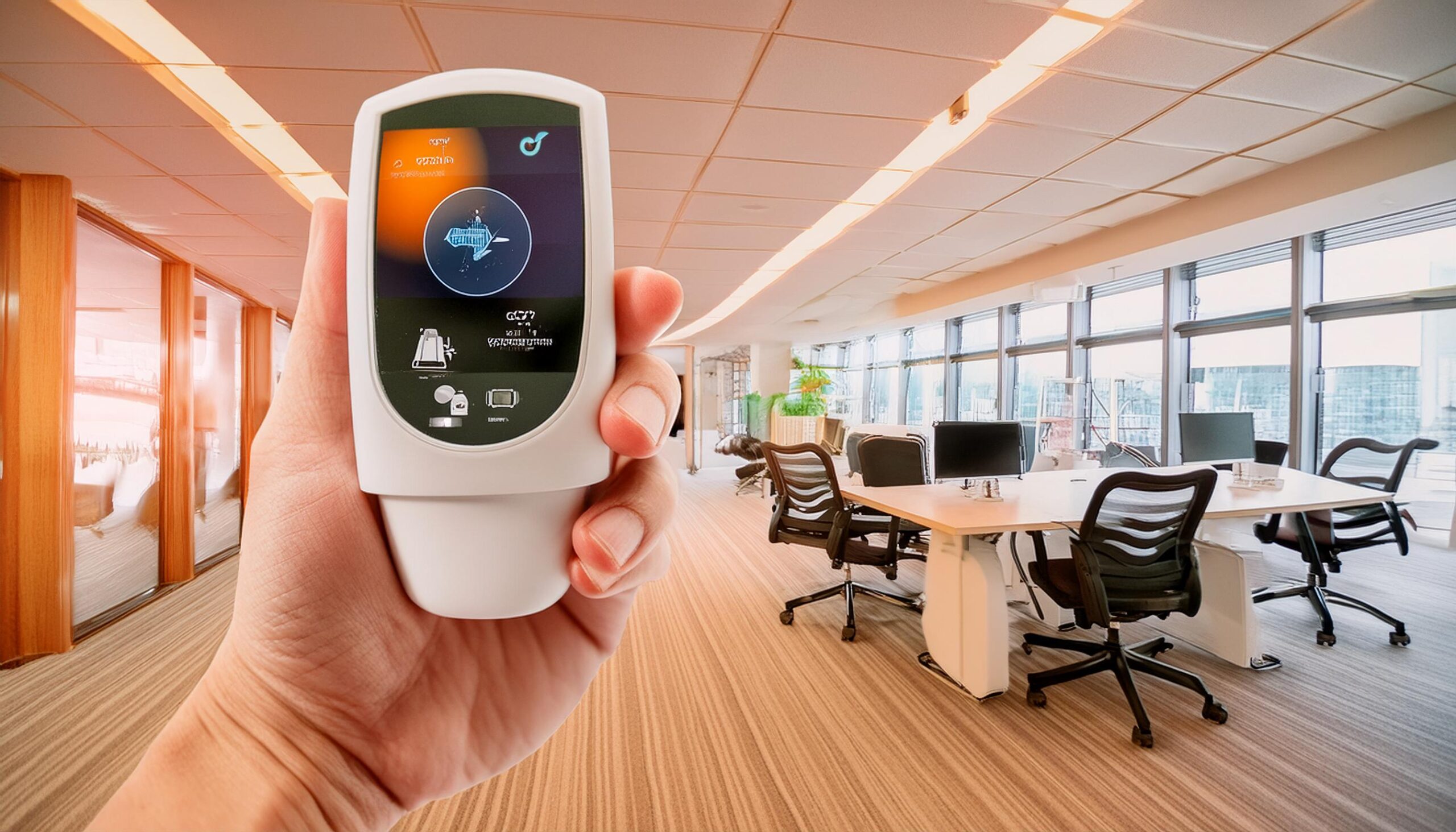
Hand-held IAQ meters capable of communicating with a centralised SaaS dashboard can be used by FM managers.
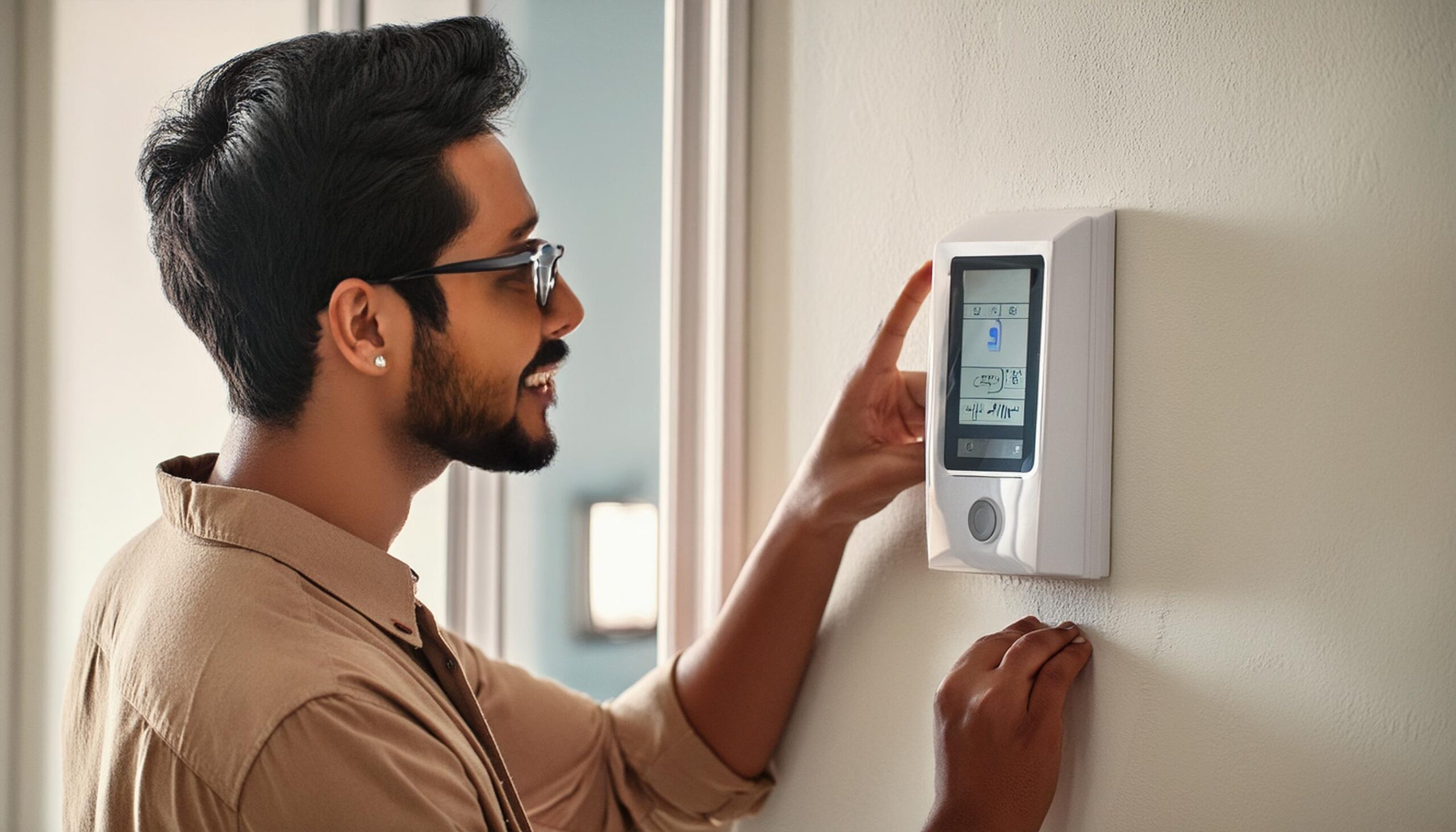
Wall-mounted IAQ sensors: For continuous monitoring of IAQ at certain defined locations, FM managers can also use wall-mounted sensors.

Benefits of Indoor Air Quality
SaaS systems for IAQ monitoring offers various benefits to FM managers and organizations.
Flexibility: A SaaS + IoT combination offers the flexibility to FM managers to monitor IAQ levels of any location within their facilities.
Accessibility: SaaS platform can be accessed from mobile devices or laptops from anywhere, anytime.
IAQ data analytics: SaaS platforms often include advanced analytics features that analyze IAQ data, identify trends, and generate actionable insights for improving indoor air quality.
Integration: SaaS platforms can integrate with existing building management systems (BMS) and IoT devices, streamlining data collection and enhancing interoperability.
Audit and Compliance: SaaS platform offers IAQ data reports in audit-ready formats for FM managers.
IAQ audit services
Indoor air quality audit services (monthly or quarterly) offers FM managers the benefit of availing IAQ audits for their facilities at a much lower cost and at a pre-defined frequency.